How to Forgive Someone Who Has Hurt You
Forgiveness does not mean pretending the hurt never happened. Discover a gentle, practical Catholic path towards freedom, truth and peace.
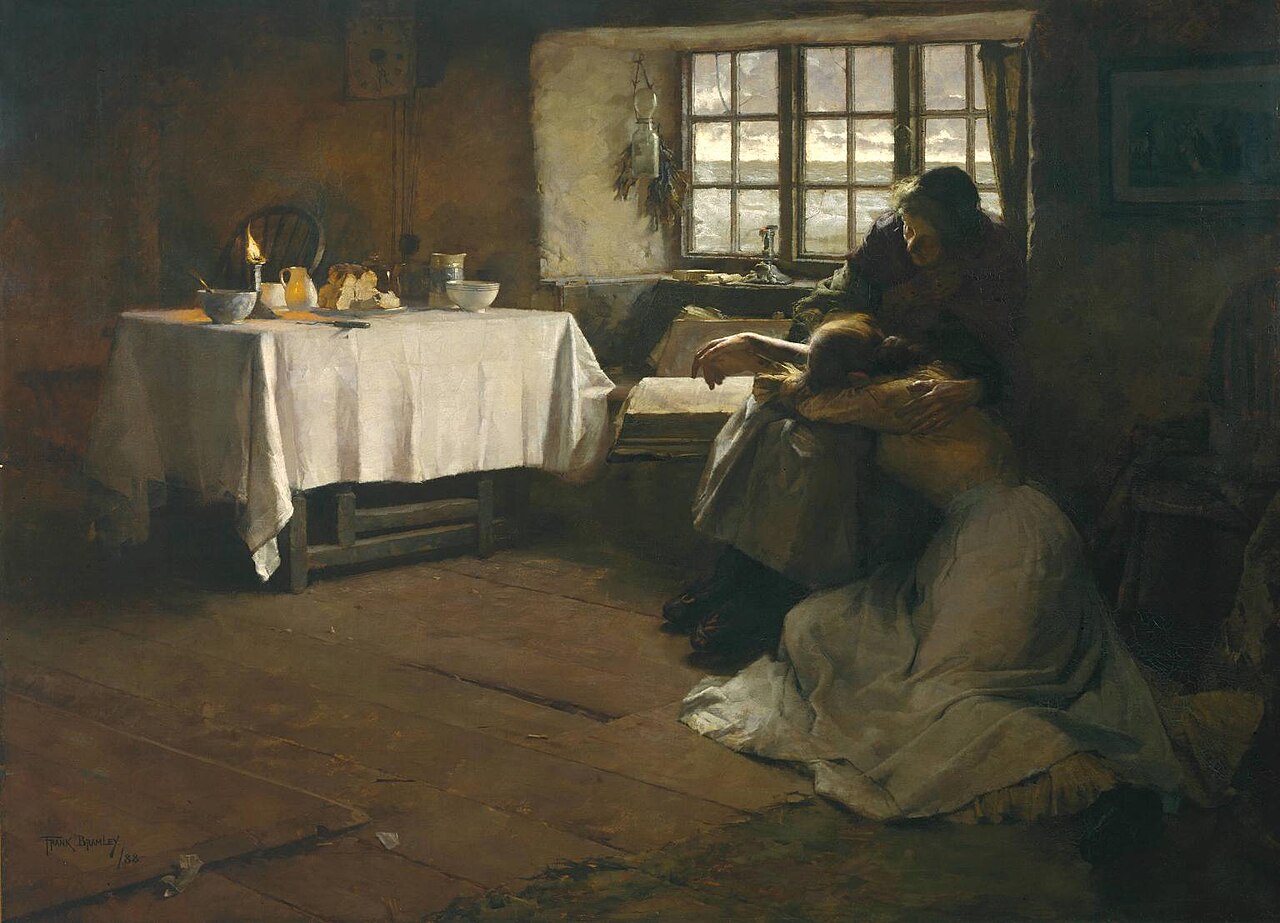
Forgiving someone who has hurt us can feel impossible, especially when the wound is deep or the person shows no remorse. We may want to follow Christ and still feel anger rise whenever we remember what happened.
That struggle does not mean our faith has failed. Forgiveness is often a slow work of grace: something we choose, ask help for, and return to before our feelings begin to change.
Begin with the truth
Christian forgiveness does not ask us to call evil good. If someone betrayed, humiliated, neglected or abused you, you do not need to minimise what happened to become a forgiving person.
Begin by naming the hurt honestly before God. You might pray: “Lord, this is what happened. This is what it has cost me. I do not know how to forgive.”
The Psalms make room for grief, anger and bewilderment. God is not frightened by an honest prayer. Bringing him our pain is different from allowing that pain to govern our actions.
Know what forgiveness is—and is not
Forgiveness means choosing not to seek revenge and gradually entrusting the person, and the wrong, to God’s justice and mercy. It does not mean forgetting, excusing wrongdoing or abandoning appropriate accountability.
Nor is forgiveness identical to reconciliation. Rebuilding a relationship requires truth, repentance and a willingness to change. Restoring trust takes evidence and time; sometimes a relationship cannot safely be restored.
You may forgive and still keep your distance, report a crime or maintain firm boundaries. If harm is ongoing, seek safety and support from trusted people and appropriate professional services. Christian patience is not a duty to remain in danger.
Take one small, deliberate step
In Matthew 18:21–22, Jesus teaches Peter that forgiveness cannot be reduced to a tally. This does not make wounds trivial. It reminds us that mercy may need to be chosen repeatedly.
Start with a step small enough to take today:
- Resist one opportunity to retaliate or spread the person’s faults unnecessarily.
- Pause before sending an angry message.
- Ask God to keep bitterness from shaping your next decision.
- Pray for the person’s conversion and true good, even if affection feels impossible.
Such prayer need not be warm or elaborate: “Lord, bring them to truth and healing. Protect me from hatred.”
Seeking confidential support is not the same as gossip. You are allowed to tell the truth to someone who can help.
Let grace support the work
The Catechism recognises that it is not within our power simply to stop feeling hurt or to forget an offence; the heart offered to the Holy Spirit can gradually turn injury towards compassion (CCC 2843).
Bring your struggle to Mass. Ask Christ, who prayed for his persecutors from the Cross, to teach you his mercy (Luke 23:34).
The Sacrament of Reconciliation can help when our own responses have become sinful. Being wounded, however, is not itself a sin, and neither is an involuntary feeling of anger. A wise priest, spiritual director or qualified counsellor can help you distinguish pain from choices that need changing.
Begin again without condemning yourself
A painful memory returning does not prove that your forgiveness was false. Healing rarely moves in a straight line.
When the hurt resurfaces, you can renew your decision: “Jesus, I place this in your hands again. Show me the next faithful step.”
You do not have to complete the whole journey today. With God’s grace, one honest step towards mercy is a real beginning.