Hope for Ordinary Days: Walking with All the Saints
All Saints offers hope for ordinary life: holiness grows through grace, small acts of love, and the courage to begin again.
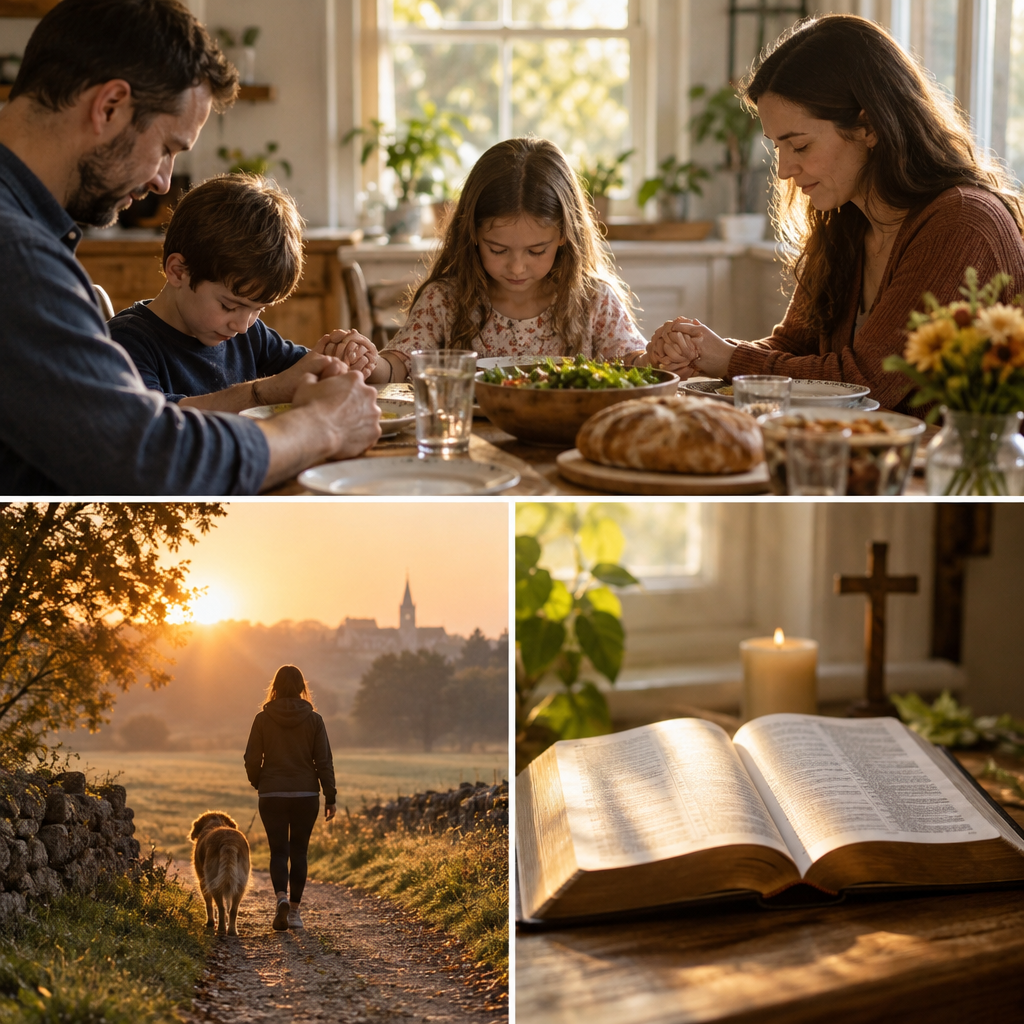
Some Sundays, we bring more weariness than peace to Mass. There are family worries we cannot untangle, prayers that seem unanswered, and faults we thought we would have overcome by now.
The Solemnity of All Saints, this Sunday, 1 November 2026, speaks gently into that weariness. Holiness is not reserved for people whose lives were uncomplicated. The saints are people whom God’s grace has brought to fulfilment. Their joy gives us reason to hope that his work in us is not finished either.
Hope is more than a positive outlook
Christian hope does not require us to pretend that everything is going well. It is the theological virtue by which we trust God’s promises, desire eternal life with him, and rely on his grace rather than our own strength (Catechism of the Catholic Church, 1817).
That distinction matters when life hurts. We may not know whether a strained relationship will heal soon, whether treatment will succeed, or when grief will become less raw. Hope does not promise the outcome we prefer. It anchors us in the faithfulness of God.
In Revelation 7:9–17, John sees a multitude beyond counting, drawn from every nation, standing before God. They have come through suffering; suffering has not had the final word. God’s presence is their joy.
All Saints opens that horizon before us. Our present struggle is real, but it is not the whole story.
Holiness takes the shape of love
In the Beatitudes, Jesus calls blessed those who mourn, those who show mercy, those who seek righteousness, and those who make peace (Matthew 5:1–12). His description of a blessed life is startlingly different from a life of comfort, applause, or control.
For most of us, following him will begin close to home.
It may mean listening to a family member without preparing our defence. It may mean admitting that our words were unkind. It may mean doing an unnoticed task faithfully, or refusing to pass on a cruel remark.
These choices do not earn God’s love. They are ways of receiving his grace and allowing it to shape us. Ordinary life becomes a place where charity can grow.
Begin again without despair
A difficult morning need not decide the whole day. A repeated fault need not become our identity.
When we sin, the Christian response is neither excuse-making nor self-hatred, but repentance and trust. For Catholics, the Sacrament of Reconciliation offers Christ’s forgiveness and grace to begin again.
Forgiveness within a family also needs truth. Offering mercy does not mean denying harm, abandoning necessary boundaries, or remaining in danger. Sometimes the next faithful step is to seek wise counsel or professional support.
The saints do not ask us to disguise our weakness. Their witness directs us towards the Saviour who meets us there.
A small practice of hope
Choose one burden to bring honestly to God today. Name it without trying to make your prayer impressive.
Then choose one act of love within your reach: make an overdue apology, visit someone who is lonely, prepare a meal, or give your full attention to a person who needs it.
Before sleep, notice one gift from the day and ask for grace for tomorrow. You might also ask a saint whose story encourages you to pray for you. In the communion of saints, we belong to a family larger than we can see.
We are not asked to become saints by tomorrow morning. We are invited to follow Christ today, trusting that his grace can carry us further than we can carry ourselves.