Faith and Grief: Carrying Loss with Christian Hope
Christian hope does not erase grief. It helps us carry loss with prayer, honest tears and trust in the risen Christ.
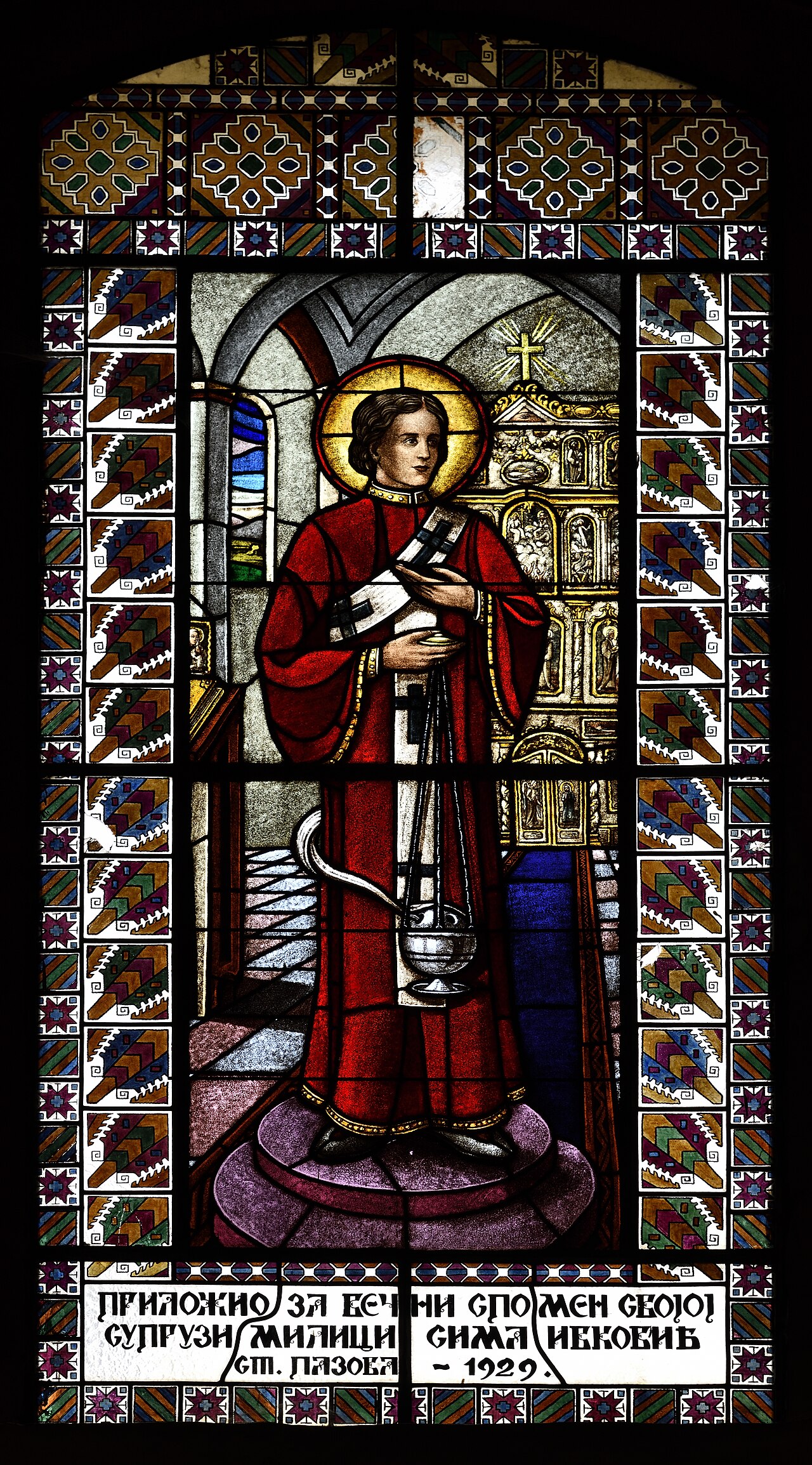
Faith does not ask us to hide our tears
Grief can make familiar things feel strange: an empty chair, a quiet telephone, a hymn we can no longer sing without crying. After someone dies, even prayer may feel different. Words disappear. Questions remain.
None of this means our faith has failed.
At the tomb of his friend Lazarus, Jesus wept (John 11:35). He knew that death would not have the final word, yet he entered fully into the sorrow before him. His tears show us that love and grief belong together. Christian hope does not demand a brave face.
We can believe in the resurrection and still wish, with all our hearts, that the person we love were here.
Hope rests in a Person
Saint Paul encourages Christians to grieve with hope in Christ’s death and resurrection (1 Thessalonians 4:13–14). He does not tell them not to grieve. The distinction matters.
Our hope is not that every loss will soon make sense, or that time will restore everything as it was. Our hope is Jesus Christ, crucified and risen. He has entered death and overcome it. We entrust those who have died to his justice and mercy, looking towards the resurrection of the dead and life everlasting.
This hope can be held quietly. On difficult days, it may be no more than a whispered prayer: Lord, I cannot see the way ahead. Stay with me.
Let the Church help you pray
Catholic tradition gives us ways to love when we can no longer visit, telephone or hold someone’s hand. We pray for the dead, asking God to forgive their sins, purify them and welcome them into his presence.
You might ask for a Mass to be offered for someone who has died, remember them during your own prayer, or light a candle as a sign of your petition. These are not ways of controlling what happens after death. They are acts of trust in God’s mercy.
When personal prayer feels impossible, the Church’s familiar prayers can carry us. An Our Father spoken slowly, a decade of the Rosary, or simply sitting quietly before the Blessed Sacrament can be enough for that moment.
You do not have to manufacture a feeling of peace.
Make room for grief in daily life
Grief has no tidy timetable. Anniversaries, birthdays and ordinary afternoons can bring sorrow back unexpectedly. A hard day is not proof that you are going backwards.
A few small practices may help:
- Name what you miss. Tell God honestly about the conversation, companionship or future you are mourning.
- Care for your body. Eat something nourishing, rest when possible and take a short walk. These small acts honour your human needs.
- Remember together. Speak the person’s name, tell a story or cook a meal they loved. Allow family members to grieve differently.
- Accept companionship. A trusted friend, priest, bereavement group or qualified counsellor can help you carry what feels too heavy alone.
Seeking support is not a failure to trust God. His care often reaches us through other people.
Take only the next step
You do not need to solve the mystery of suffering today. Nor must you turn your loss into a lesson before you are ready.
For now, let love take a small, faithful shape: a prayer, a shared memory, a meal accepted, a hand held.
The risen Lord does not stand far from your sorrow. You may bring him your questions, your silence and your tears. Take the next step gently; you do not have to carry this alone.